
Existing Malaysian law is lacking with regards to managing cross- boarder cyber crimes in the midst of flooding worldwide dangers, a cyber security master said today. Cyber Security Malaysia senior VP of Strategic Research Division, Sazali Sukardi, said nearby laws are just material inside the limits of Malaysia — which makes them difficult to be used against outer dangers.
“There joint effort between investigative gatherings is essential in tending to issues concerning cross-border cyber crimes,” he said at the International Association of Counter terrorism and Security Professionals’ Asean Counter Terrorism Symposium here.
Sazali brought up the impediment forced by Malaysian law was a typical issue looked among nearby authorization offices amid examinations concerning cross-fringe cybercrimes perpetrated against Malaysians by nonnatives abroad.
“For instance, a cybercriminal dwelling somewhere else perpetrates money related extortion on a Malaysian casualty through the web.“However, because of the legitimate restrictions, the casualty can’t look for appropriate equity since specialists can’t confine the criminal dwelling outside of Malaysia aside from with the assistance of experts in the nation of origin where the wrongdoing was supposedly carried out,” he stated, including that the criminal could have vanished by at that point.
He said an examination composed by the National Cyber security Agency under the domain of the National Security Council was led by the Attorney General Chambers as of late to decide the attainability of turning into a signatory of the Budapest Convention.Otherwise called the Convention of Cyber crime, it was the primary universal bargain trying to address web and PC wrongdoing by fitting national laws, enhancing investigative methods and expanding participation among its signatories.
The Convention was first marked in November 2001 and has a sum of 56 signatories around the world. In any case, the issue was still under thought as Sazali trusted Malaysia is still “not prepared” to be a signatory, as a few angles still should have been enhanced.“We must be readied when we sign the arrangement as signatories are relied upon to add to each other commonly.“What is the point in the event that we sign the bargain yet our foundation, labor or ability is deficient?” he asked, asking Malaysia to coordinate the “desires” of the settlement.
He brought up the regions that were all the while lacking when it came to cross-fringe examination included inadequate specialized aptitude, labor deficiencies and framework accessibility.




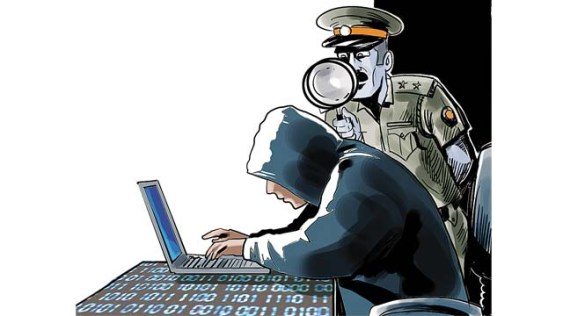



 confronting the anger of protection vigilantes for wrongfully sharing information from the “authority application of the Prime Minister of India” with an outsider organization in the US. The PM’S application guaranteed that the information that clients give on the application is entirely “private”, housed securely and not passed on to any other individual, a French vigilante programmer in a progression of tweets affirmed that the individual information including email IDs, photographs, sexual orientation and names of the clients of Modi’s versatile application were being sent to an outsider space without their assent. in any case, lamentably BJP turned over the amusement by saying the data was being used for examination using outsider organization, similar to Google Analytics. However, consideration should be given to the point that sharing individual data without consent of the customers “is unlawful”.
 CYBER NEWS